
⭐Must-Have Products I Use & Recommend!⭐
Personal Note
I personally use and love these products in my kitchen. I only recommend what I trust!
I personally use and love these products in my kitchen. I only recommend what I trust!



Disclosure: This post contains affiliate links. If you click and make a purchase, I may earn a small commission at no extra cost to you.
Okay, so let me tell you a little secret. For years, I kinda dreaded the idea of making decorated sugar cookies. It just felt… overwhelming, you know? All those pristine, perfectly iced creations you see online? I imagined myself with shaky hands, icing blobs everywhere, and a kitchen looking like a sugar explosion. My first attempts? Let's just say they looked more like abstract art than edible masterpieces. One Christmas, I tried to make cookies for a work potluck, and they were so... rustic, my colleague politely asked if they were supposed to be snowmen melting into puddles. (Bless her heart, she still ate one!) But here's the thing: after many trials, a few epic fails, and a lot of patience, I finally cracked the code. There's a certain magic in taking simple ingredients and transforming them into tiny, edible canvases. It’s not just baking; it's a wonderfully calming, creative escape, and the joy of seeing someone’s face light up when they receive a custom-made cookie? That’s pure gold.

Now, you might be thinking, 'Sarah, my cookies always spread, or they're too hard, or the icing is a total nightmare!' And believe me, I've been there. The good news? This recipe isn't just about mixing ingredients; it’s about understanding the why behind each step. We're going to create a sugar cookie that holds its shape beautifully in the oven – no more blurry edges! – and has that perfect balance of crispness and tenderness. Not too soft, not too hard, just right. It's truly a game-changer. What does this mean for you? It means less frustration and more delicious success stories. We’ll dive into butter temperature (it's crucial!), chilling times, and even how to roll your dough just so. Consider this your personal cookie whisperer moment. Forget those intimidating baking shows; we're doing this together, step by delicious step.
And then there's the royal icing. Ah, royal icing! This is where the real artistry begins, but also where most people, myself included, used to get a little nervous. You want it smooth, glossy, and just the right consistency for both outlining and flooding. Too thick, and it’s a lumpy mess; too thin, and it runs everywhere like a tiny sugary river. Don't you just hate that? But with a few simple tricks and the right tools, you'll be piping like a pro in no time. We'll walk through how to achieve that perfect consistency, how to color your icing vibrantly, and even some basic decorating techniques that look fancy but are surprisingly easy to master. It’s all about building confidence, one perfectly piped line at a time. So grab your apron, maybe put on some fun music, and let's get ready to transform simple sugar cookies into edible works of art that will impress everyone, including yourself.
Required Equipments
- Stand Mixer
- Rolling Pin
- Cookie Cutters (various shapes)
- Baking Sheets
- Parchment Paper
- Wire Cooling Racks
- Piping Bags
- Piping Tips (small round, small star)
- Squeeze Bottles (for flood icing)
- Scribe Tool or Toothpicks
- Mixing Bowls
- Measuring Cups and Spoons
- Sifter
Sweetly Decorated Sugar Cookies: Icing Artistry: Frequently Asked Questions
Sweetly Decorated Sugar Cookies: Icing Artistry
Learn to create stunning, bakery-worthy decorated sugar cookies with royal icing, perfect for any celebration, from simple designs to intricate edible art.
⏳ Yield & Time
Yield: 24 servings
Preparation Time: 75 minutes
Cook Time: 24 minutes
Total Time:
🍽 Ingredients
📖 Instructions
- Crafting Your Perfect Cookie Dough: The Foundation of Edible Art
- Get Ready for Mixing Magic: First things first, pull out your unsalted butter and let it sit on the counter for about an hour. Why? Softened butter (not melted!) is your secret weapon for a smooth, creamy dough. If it's too cold, it won't cream properly; too warm, and your cookies will spread. When you gently press it, your finger should leave a slight indentation.
- Creaming Like a Dream: In the bowl of your trusty stand mixer (or use a hand mixer!), combine the softened butter and granulated sugar. Beat them on medium speed for about 3-5 minutes. You're looking for a transformation here: the mixture should become light, fluffy, and pale in color. This incorporates air, which helps keep your cookies tender. Don't rush this step, it's really important!
- Egg & Extract Embrace: Crack in your large egg, then pour in the vanilla extract. Mix on low speed until just combined. Be careful not to overmix here, as too much air at this stage can also lead to spreading. Scrape down the sides of the bowl with a spatula to make sure everything gets happy together.
- Dry Ingredients' Grand Entrance: In a separate, medium-sized bowl, whisk together your all-purpose flour, baking powder, and salt. Whisking ensures these dry ingredients are evenly distributed, so you don't get a random pocket of salt in one cookie!
- Bringing It All Together (Slowly!): Now, with your mixer on its lowest speed, gradually add the dry ingredients to the wet mixture, about a third at a time. Mix just until combined. As soon as you see no more streaks of flour, stop the mixer. Overmixing at this stage develops too much gluten, which can lead to tough cookies. And nobody wants a tough cookie, right?
- The Chill Factor (Crucial Step!): Divide your dough into two equal portions. Gently flatten each portion into a disc, wrap them tightly in plastic wrap, and pop them into the refrigerator for at least 1 hour. Honestly, 2 hours is even better, and you can even leave them overnight. This chilling process allows the butter to firm up and the flour to fully hydrate, which is what prevents your cookies from spreading into shapeless blobs when they bake. Patience is a virtue, especially in cookie making!
- Rolling & Cutting: Shaping Your Sweet Masterpieces
- Prep Your Workspace: Lightly flour a clean, dry surface – your countertop or a large pastry mat works great. Grab one chilled dough disc from the fridge. If it's too hard, let it sit out for 5-10 minutes, but don't let it get soft.
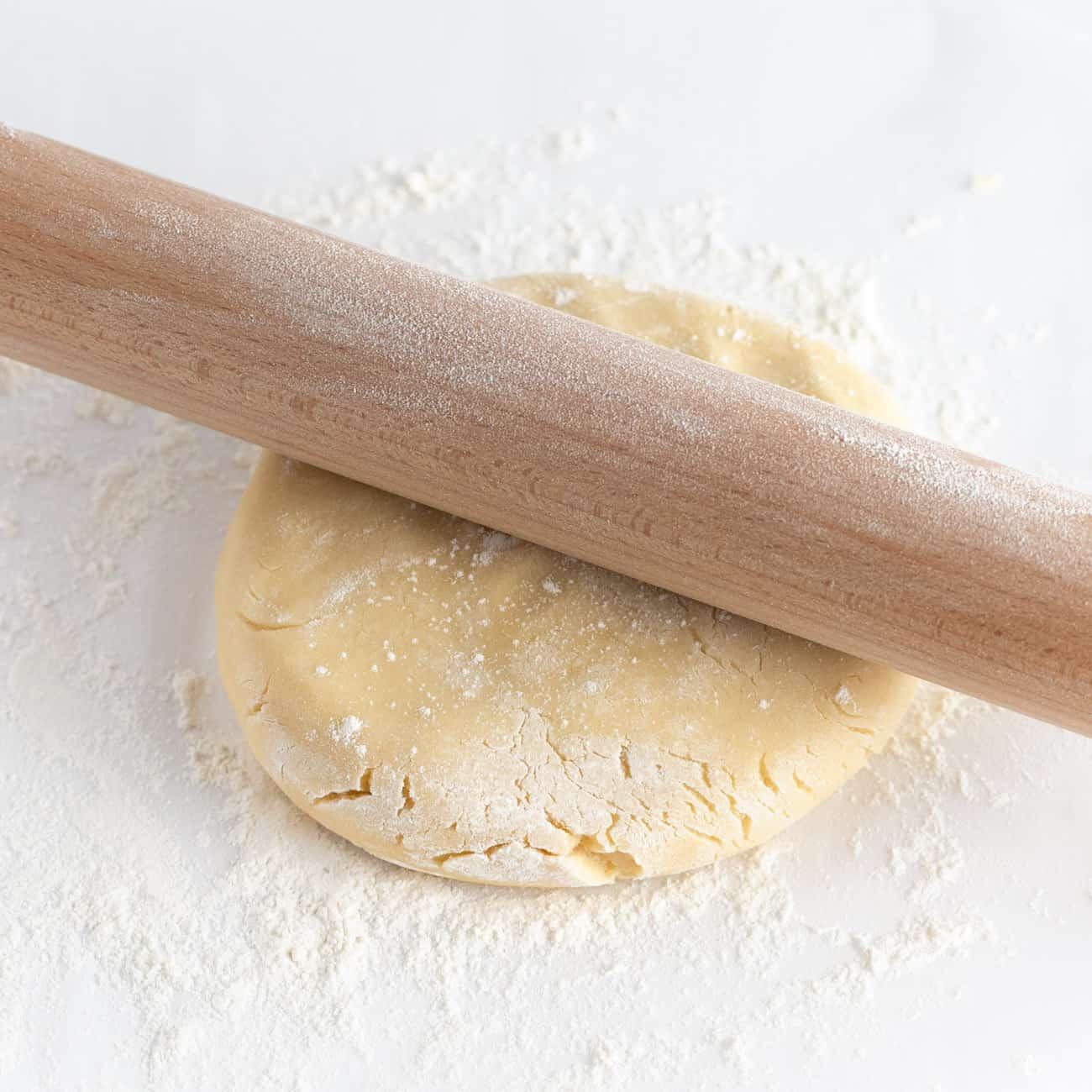
- Roll with Confidence: Place the dough disc on your floured surface and lightly flour the top of the dough and your rolling pin. Roll the dough to an even thickness, about 1/4 inch (6mm). Consistency is key here; uneven thickness means some cookies will bake faster than others. I sometimes use rolling pin guides or even two rulers on either side of my dough to ensure an even roll.
- Cookie Cutter Shenanigans: Dip your cookie cutters in flour before each cut. This prevents sticking and gives you clean, crisp edges. Press the cutter straight down, then straight up – no twisting! Twisting seals the edges of the cookie dough, which can also contribute to spreading. Place your cutouts onto a baking sheet lined with parchment paper. Leave about an inch between each cookie.
- Second Chill for Success: Gather your dough scraps, gently press them together (don't knead aggressively!), and re-roll. Repeat the cutting process. Once your baking sheet is full, pop it back into the refrigerator for another 15-20 minutes. This final chill is a game-changer for maintaining those beautiful, crisp shapes during baking. It’s like giving your cookies a quick cold shower before their hot oven spa treatment!
- Baking Your Beauties: The Golden Touch
- Oven Warm-up: While your cookies are enjoying their second chill, preheat your oven to 350°F (175°C). Make sure it’s fully preheated; an oven that’s not hot enough can also cause spreading.
- Bake Until Just Golden: Place your chilled baking sheets into the preheated oven. Bake for 10-12 minutes, depending on the size of your cookies and your oven's temperament. You're looking for edges that are just barely golden. The centers should still look pale but set. Don't overbake them, or they'll be hard as rocks!
- Cool Down Time: As soon as they come out of the oven, let the cookies rest on the baking sheet for 5 minutes. They’ll be quite fragile when hot. After 5 minutes, carefully transfer them to a wire cooling rack to cool completely. And I mean completely! Trying to decorate warm cookies with royal icing is a recipe for a sugary meltdown, and we don't want that.
- Mixing the Magic: Royal Icing Perfection
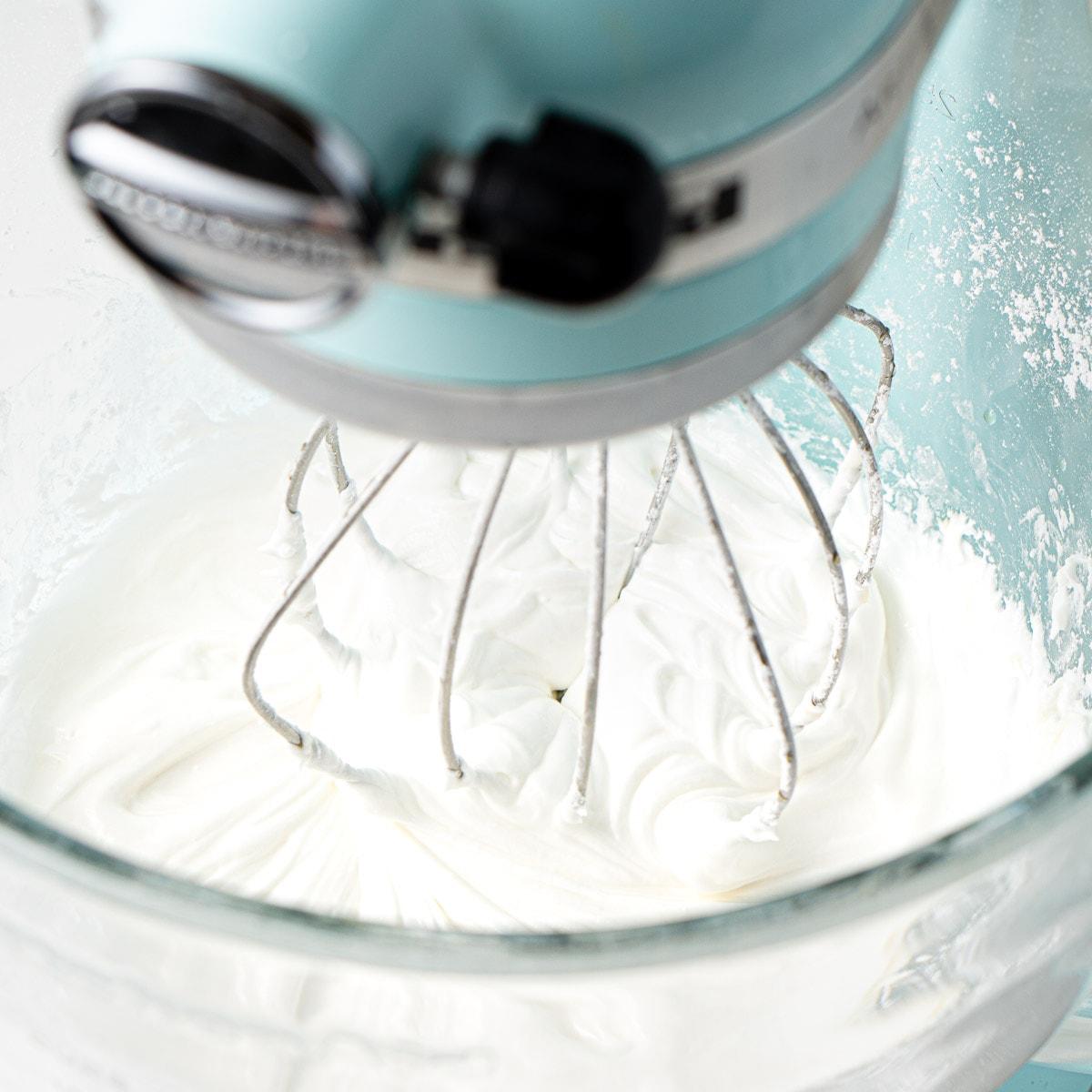
- Meringue Powder & Sugar Base: In the bowl of your stand mixer fitted with the whisk attachment, combine the meringue powder and sifted powdered sugar. Sifting is non-negotiable here; those tiny lumps will clog your piping tips, trust me.
- Add Liquid & Flavor: Pour in about 8 tablespoons of warm water and the vanilla or almond extract. Start mixing on low speed until everything is wet and combined, then gradually increase to medium-high. Beat for 5-7 minutes.
- Stiff Peak Perfection: You're looking for a smooth, glossy icing that holds stiff peaks. When you lift the whisk, the icing should form a peak that stands up firmly without drooping. If it's too thick to mix, add water one teaspoon at a time; if it's too thin and won't hold a peak, add a tablespoon of sifted powdered sugar until it reaches the right consistency.
- Divide & Conquer (and Color!): Divide your stiff icing into separate bowls for each color you plan to use. Now, add your gel food coloring. Gel colors are best as they don't add much extra liquid, which can mess with consistency. Start with a tiny drop and add more until you reach your desired shade. Stir well to incorporate the color evenly.
- Piping Consistency (Outline): For outlining and detail work, you want "piping consistency." This icing should be thick enough to hold its shape when piped, but thin enough to flow smoothly. To achieve this, take a portion of your stiff icing and add water, half a teaspoon at a time, mixing well after each addition. When you drizzle a spoonful back into the bowl, the line should hold for about 10-15 seconds before disappearing. This is your "10-15 second count."
- Flooding Consistency: For flooding (filling in the outlined areas), you need "flooding consistency." This is thinner than piping consistency. Add a bit more water (again, half a teaspoon at a time) to a portion of your piping consistency icing. The drizzle test here should yield a "5-7 second count" – meaning the line you drizzle disappears within 5-7 seconds. This is often the trickiest part, so take your time!
- Decorating Your Masterpieces: From Outline to Flood
- Bag It Up: Transfer your piping consistency icing into piping bags fitted with small round tips (like PME #1 or #2). For flood icing, squeeze bottles or piping bags with larger round tips (like PME #3 or #4) work great.
- The Outline (Your Cookie's Fence): Hold your piping bag at a 45-degree angle, slightly above the cookie. Apply gentle, even pressure, letting the icing fall onto the cookie surface as you guide it around the perimeter. Don't press the tip directly onto the cookie; let gravity do some work! Connect your outline to form a "fence" that will hold your flood icing in.
- Flood the Zone: Immediately after outlining (or within 15-20 minutes, before the outline dries too much), use your flooding consistency icing to fill in the outlined area. Pipe a small amount of icing into the center, then use your scribe tool or a toothpick to gently push and spread the icing to the edges, popping any air bubbles as you go. You want a smooth, even surface.
- Wet-on-Wet Wonders (Optional but Fun!): For cool designs like polka dots or marbling, apply small dots or lines of a contrasting color into the wet flood icing. Then, use your scribe tool to drag through the wet icing to create swirls or patterns.
- Patience is Key: Drying Time: This is probably the most important part of decorated cookies. Let your flooded cookies dry completely for at least 6-8 hours, or ideally overnight, before adding any further details or stacking them. Seriously, don't rush this! A thin crust will form quickly, but the underlying icing needs to harden fully. Placing them in front of a fan can help speed up the process.
- Adding Those Fabulous Details & Storage Tips
- Layering Up: Once your first flood layer is completely dry, you can add another layer of piping or flooding on top without fear of it sinking or bleeding. This is how you build dimension!
- Finishing Touches: Use your piping consistency icing for intricate details like small flowers, lettering, or borders. Edible glitter, sprinkles, or edible markers can also add a delightful flourish. Let all details dry completely.
- Storing Your Treasures: Once fully decorated and dry, your beautiful sugar cookies can be stored in an airtight container at room temperature for up*to* two weeks. For longer storage, you can freeze them for up to a month. To thaw, simply take them out of the freezer and let them come to room temperature in their container (this prevents condensation from messing up your icing). They're almost too pretty to eat, but trust me, they're delicious!
- Final Thoughts: See? It wasn't so scary, was it? The truth is, every cookie you decorate is a little piece of you. Even the "imperfect" ones have charm. So go forth, bake, decorate, and share your delicious art with the world. You’ve totally got this!
📝 Notes
- Chilling the dough is essential for preventing spread and maintaining cookie shape.
- Always sift your powdered sugar for royal icing to prevent lumps that can clog piping tips.
- Practice makes perfect with piping! Don't get discouraged if your first attempts aren't flawless; every cookie is a learning experience.
🍎 Nutrition
Calories: 150 kcal
Protein: 2g
Fat: 6g
Carbohydrates: 25g
Fiber: 0.5g
Calcium: 20mg