⭐Must-Have Products I Use & Recommend!⭐
Personal Note
I personally use and love these products in my kitchen. I only recommend what I trust!
I personally use and love these products in my kitchen. I only recommend what I trust!



Disclosure: This post contains affiliate links. If you click and make a purchase, I may earn a small commission at no extra cost to you.
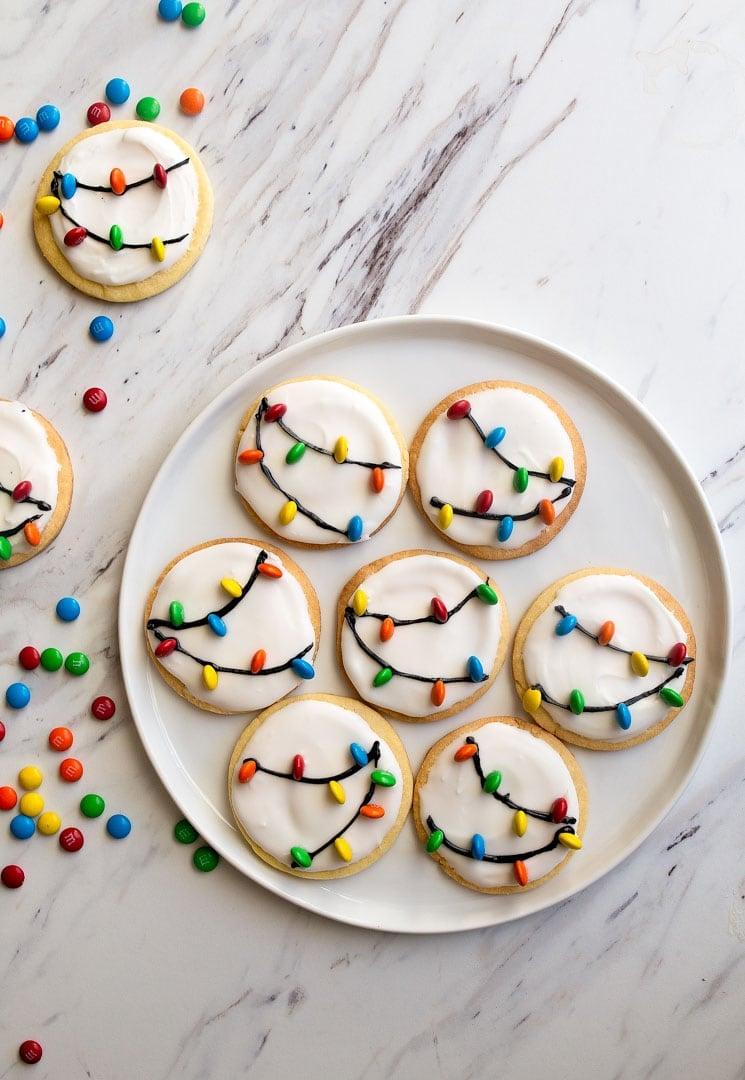
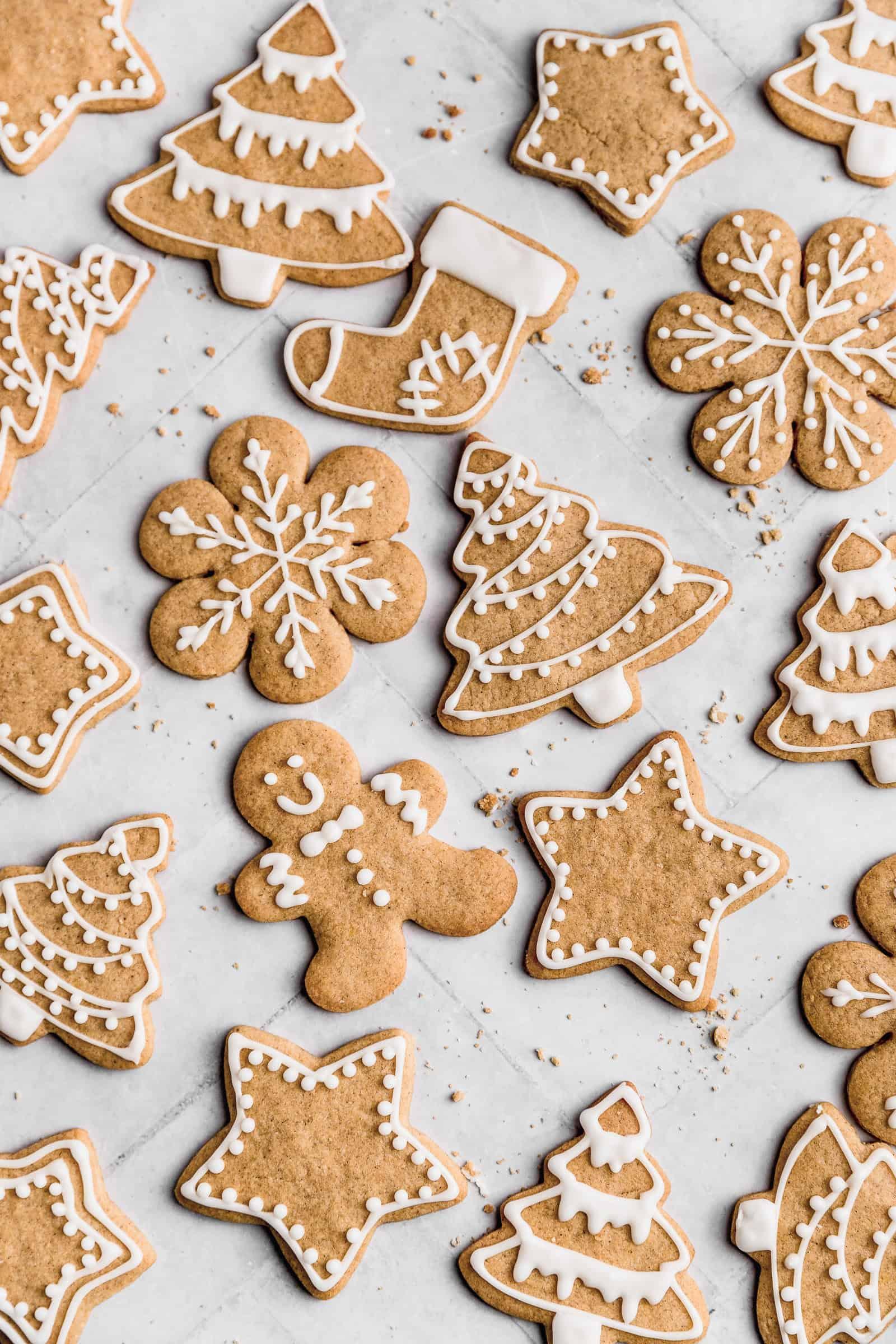
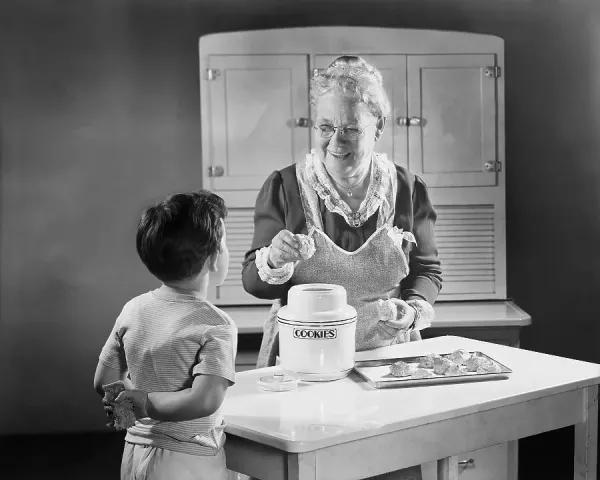
I remember my Grandma always had a knack for making everything feel special. Birthdays, holidays, or just a Tuesday afternoon – she’d whip up something that felt like pure magic. One of my fondest memories is of her making butter cookies, but not just any butter cookies. She'd pull out these tiny brushes and a palette of colors, transforming simple rounds into miniature works of art. As a kid, watching those delicate strokes turn a plain cookie into a festive masterpiece felt like watching a wizard at work. It stuck with me, this idea that food could be an expression of pure joy, a canvas even. It's that feeling, that spark of creativity and warmth, I want to share with you today. So, get ready to dive into the wonderful world of hand-painted butter cookies – they’re not just a treat; they're a tiny celebration. It’s a wonderful way to bring a little personal touch to your baking, and trust me, the 'oohs' and 'aahs' you'll get make all the effort completely worth it. Seriously, imagine the look on someone's face when they see a custom-painted cookie just for them! What a thoughtful gesture.
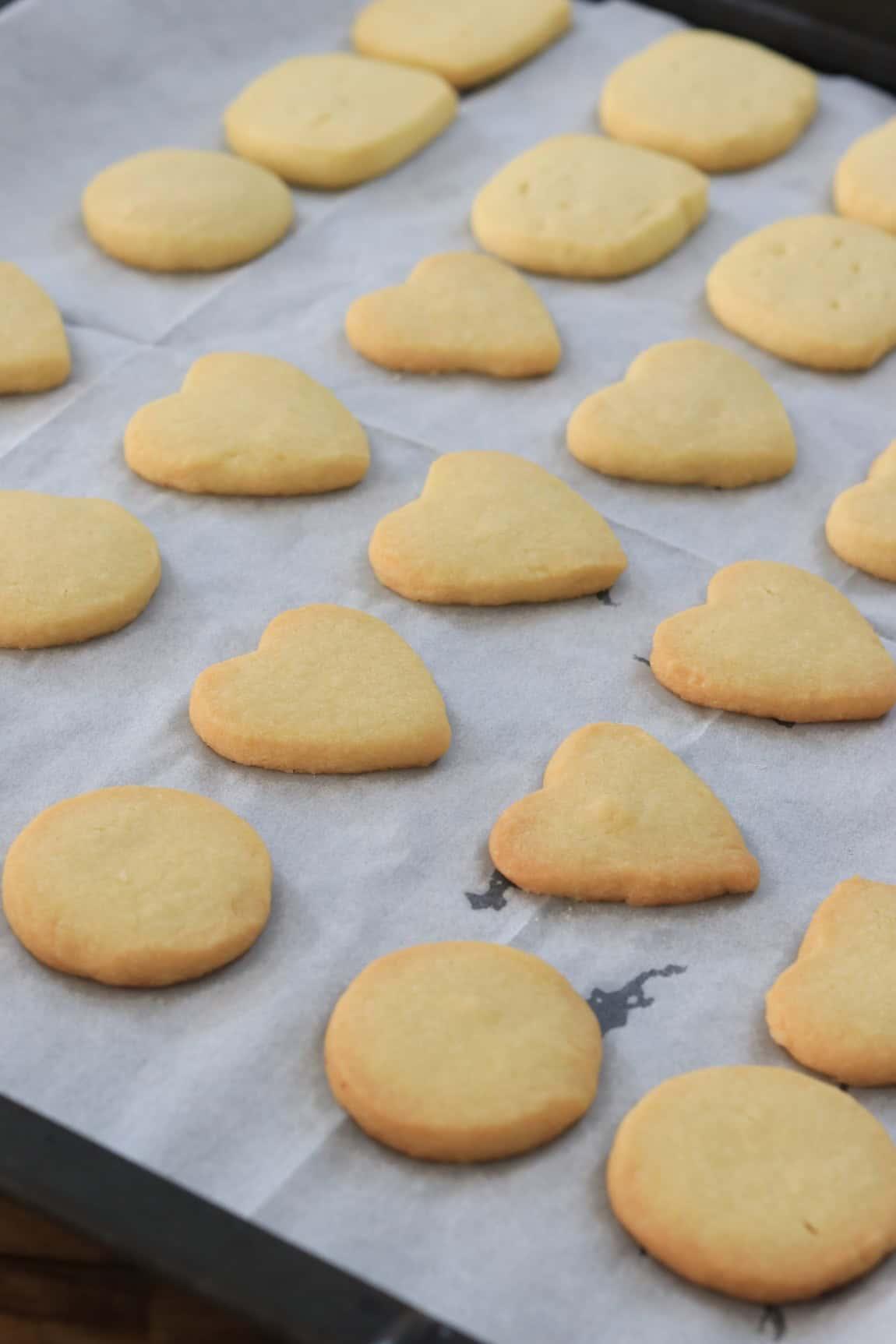
Now, I know what you might be thinking, 'Painting cookies? That sounds complicated!' But trust me, it’s much simpler and way more fun than you imagine. These aren't your average cookie; they're crisp, buttery, and begging for a splash of color. We'll start with a foolproof butter cookie base – rich, tender, and the perfect canvas. This dough is super forgiving, which is a huge bonus when you’re also thinking about decorating. Then comes the really exciting part: turning edible gel colors into your own personal paint set. We're talking vibrant hues that transform your kitchen into a tiny art studio. Whether you’re a seasoned artist or someone who can barely draw a stick figure (like me on some days!), this recipe is designed to make the process enjoyable and the results stunning. You'll be surprised at how quickly you get the hang of it, and how therapeutic it can be. There’s something so calming about focusing on those small details, letting your creative side take over.
What makes these cookies truly special, beyond their taste, is the personal touch. Imagine gifting a box of these beauties, each one hand-painted with a unique design tailored for a friend, or perhaps a holiday theme for your family. One of my neighbors, bless her heart, made a batch for a charity bake sale last year and every single one was gone within minutes! People just adore the thoughtful effort. Plus, it's an amazing activity to do with kids, a little messy perhaps, but full of giggles and creativity. We'll cover everything, from mixing the perfect dough to choosing the right brushes and colors, ensuring your cookie art is both beautiful and delicious. It's a journey from simple ingredients to edible masterpieces, and you're going to love every step. So, let’s roll up our sleeves and bring some color to our cookie world, shall we? You're about to make something truly memorable, and maybe even start a new, delightful tradition. What designs are you dreaming up already?
Required Equipments
- Large Mixing Bowl
- Electric Mixer
- Rolling Pin
- Cookie Cutters (various shapes)
- Baking Sheets
- Parchment Paper
- Wire Rack
- Small Bowls for Edible Paint
- Fine-Tipped Paint Brushes (food-safe)
- Toothpicks
- Rubber Spatula
Hand Painted Butter Cookies: Edible Art Delight: Frequently Asked Questions
Hand Painted Butter Cookies: Edible Art Delight
Discover how to create charming, hand-painted butter cookies that are as delicious to eat as they are beautiful to behold, perfect for any special occasion or a delightful gift.
⏳ Yield & Time
Yield: 24 servings
Preparation Time: 30 minutes
Cook Time: 12 minutes
Total Time:
🍽 Ingredients
📖 Instructions
- Bring Butter to Room Temp (Crucial First Step): Make sure your unsalted butter is genuinely softened to room temperature. This isn’t just a suggestion; it's absolutely vital for the texture of your finished cookies. If your butter is too cold, it won't cream properly with the sugar, leading to dense, crumbly cookies. If it's too warm or even melted, your cookies will spread excessively in the oven, losing their delicate shape. A good rule of thumb? You should be able to press your finger into it and leave an indentation without your finger sinking all the way through. It usually takes an hour or two on the counter, depending on how warm your kitchen is. Please plan ahead for this part!
- Cream Butter and Sugar: In a large mixing bowl, using an electric mixer – either a stand mixer fitted with the paddle attachment or a robust hand mixer – begin beating the softened butter on medium speed. Let it whip for about 2-3 minutes until it becomes noticeably lighter in color and fluffy. Now, gradually add the granulated sugar, a little at a time, continuing to beat. The goal here is to incorporate air into the mixture, which contributes to the cookies' tender crumb. Keep beating for another 3-5 minutes until the mixture turns pale yellow and has a creamy, almost whipped texture. Don't forget to stop and scrape down the sides and bottom of the bowl frequently with a rubber spatula. This ensures all the butter and sugar are thoroughly combined and no pockets of uncreamed butter remain.
- Add Egg and Vanilla: Crack in the large egg and beat it into the creamed butter and sugar mixture until it’s fully incorporated. Then, stir in the vanilla extract. Make sure there are no visible streaks of egg; everything should be smoothly blended. Be careful not to overmix at this stage, just combine until uniform. Overbeating eggs can introduce too much air, which can sometimes make cookies puff up and then flatten during baking.
- Combine Dry Ingredients: In a separate, medium-sized bowl, whisk together the all-purpose flour, baking powder, and salt. This step, often called 'sifting' or 'aerating,' helps distribute the leavening agents (baking powder) evenly throughout the flour and prevents any pesky lumps from forming. A well-whisked dry mixture is key to uniformly textured cookies.
- Gradually Add Dry to Wet: With your electric mixer set to its lowest speed, gradually add the whisked dry ingredients to the wet ingredients, a third at a time. Mix only until just combined and no dry streaks of flour remain in the bowl. This is a critical point: overmixing develops too much gluten in the flour, which can lead to tough, chewy cookies – and we are aiming for deliciously tender butter cookies! As soon as the flour disappears, stop the mixer. A few small lumps are perfectly fine.
- Form and Chill the Dough: Gather the dough into a ball, flatten it slightly into a disk, and wrap it tightly in plastic wrap. Refrigerate this dough for at least 30 minutes, or ideally, for 1-2 hours. You can even make it a day or two in advance! Chilling the dough is an absolute must; it solidifies the butter, which prevents the cookies from spreading excessively in the oven, and it makes the dough much firmer and easier to handle when it's time to roll and cut. Don't skip this part!
- Preheat Oven and Prep Sheets: While your dough is chilling (or finishing chilling), preheat your oven to 350°F (175°C). Line two large baking sheets with parchment paper. This simple step prevents the cookies from sticking to the pan and makes cleanup an absolute breeze. Plus, it helps with even baking.
- Flour Your Surface: Lightly flour a clean, flat work surface – your countertop or a large pastry board works perfectly. Take out one disk of chilled dough from the fridge (keep the remaining dough refrigerated if you’re working in batches to ensure it stays cold).
- Roll the Dough: Using a rolling pin, roll the dough out to an even thickness of about 1/4-inch. Consistency in thickness is super important here, as it ensures all your cookies bake uniformly. If some are thicker than others, you'll end up with some underbaked and some overbaked. If the dough starts to stick to your rolling pin or surface, lightly dust with a little more flour, but don't add too much.
- Cut Out Shapes: Now for the fun part! Use your favorite cookie cutters to cut out shapes. Gently lift the cut cookies and place them about 1 inch apart on your prepared baking sheets. Carefully gather any dough scraps, gently press them together, re-roll, and cut out more cookies. Try not to re-roll the dough more than 2-3 times, as it can start to develop too much gluten and make the subsequent cookies a bit tougher. If the dough becomes too warm or soft to handle easily, pop it back into the fridge for 5-10 minutes.
- Chill Cut-Outs (Optional but Recommended): For truly crisp edges and minimal spreading during baking, place the baking sheets with the cut-out dough into the fridge for another 10-15 minutes before baking. This extra chill time makes a noticeable difference in the final cookie shape and texture, providing a beautifully smooth canvas for your painting.
- Bake Until Golden: Place the baking sheets in the preheated oven. Bake the cookies for 8-12 minutes, depending on their size and your particular oven's temperament. They should be lightly golden brown around the edges. For a perfect painting surface, you typically don't want them too dark, so pull them out as soon as those edges just turn golden. Keep a close eye on them, as oven temperatures can vary!
- Cool Properly: Let the baked cookies cool on the baking sheets for about 5 minutes. They’ll be quite delicate when hot, so this brief cooling period helps them firm up. After 5 minutes, carefully transfer them to a wire rack to cool completely. And by completely, I mean *completely* cool, to room temperature, before you even *think* about painting. Warm cookies will make your edible paint run, smudge, or even melt, ruining your beautiful artwork.
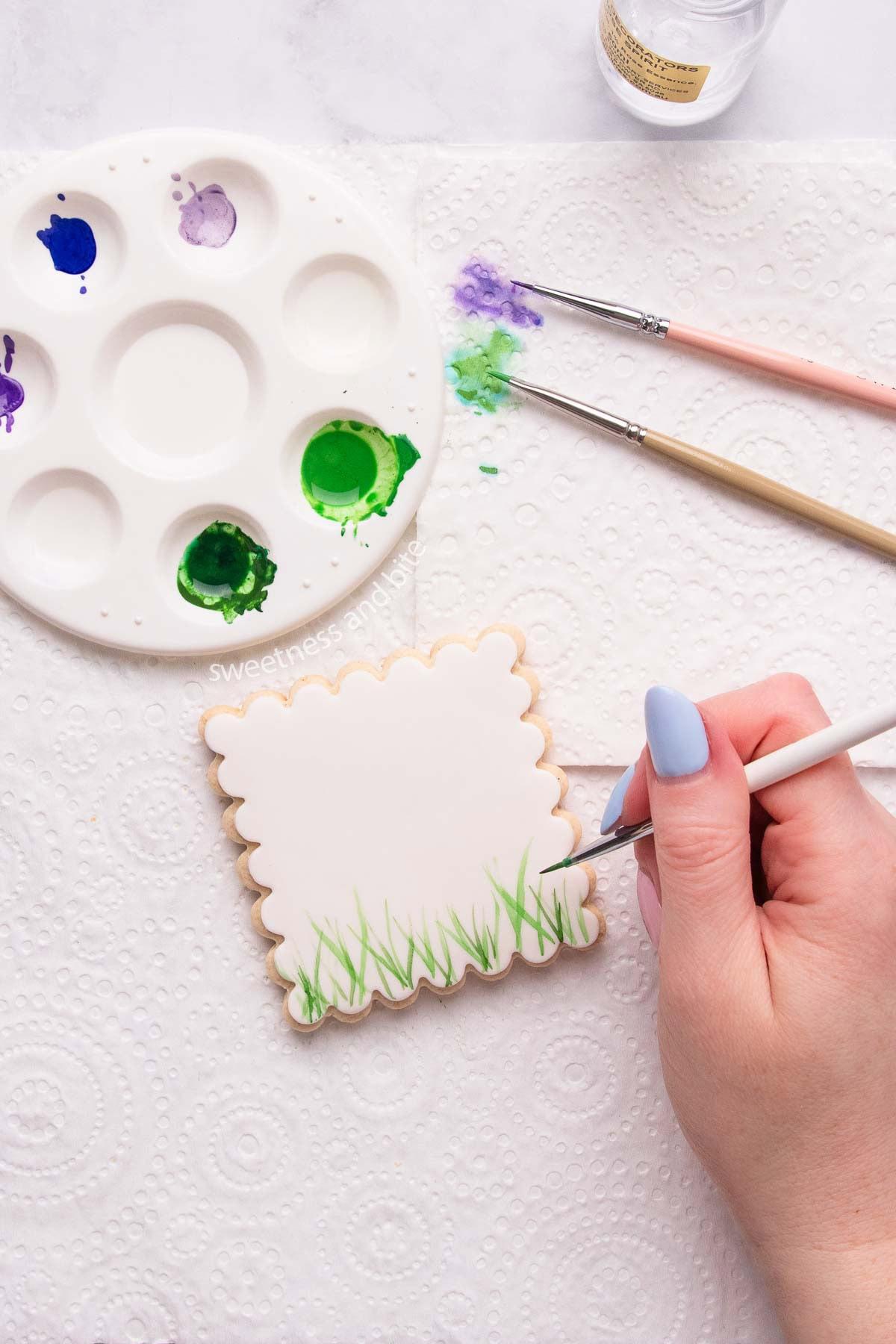
- Prepare Your Edible Paints: Squeeze small amounts of your chosen gel food coloring into separate small bowls or onto a clean ceramic plate (a regular white plate works great as a palette!). Add a few drops of clear vanilla extract or vodka (alcohol evaporates quickly, leaving pure pigment behind) to each color. Mix with a toothpick or a small, clean paintbrush until you achieve your desired paint consistency – it should be similar to watercolor paint, not too thick but definitely not watery. If it's too thick, add another drop of extract; if too thin, add a tiny bit more gel color. You might need to add a drop more extract as you paint if it starts to dry out.
- Start Painting: Dip a clean, food-safe fine-tipped paintbrush into your edible paint. Begin decorating your completely cooled cookies. You can create intricate designs, simple patterns, or just a splash of color. Don't be afraid to experiment! This is where your creativity shines. Work carefully, allowing each color or layer to dry slightly before adding another on top or right next to it. This prevents colors from bleeding into one another. Have fun with it; there's no right or wrong way to express yourself!
- Let Paint Dry: Once painted, let the cookies sit undisturbed on the wire rack for at least 30 minutes, or until the paint is completely dry to the touch. This crucial step prevents smudges and ensures your beautiful artwork stays put, making your cookies not only delicious but also genuinely artful. You don't want all that hard work to smudge!
- Store and Enjoy: Once the paint is completely dry, store your hand-painted butter cookies in an airtight container at room temperature. They'll stay fresh for about a week. They're ready to share with friends and family, give as gifts, or simply hoard for yourself – no judgment here! Enjoy your edible masterpieces!
📝 Notes
- The total time listed doesn't include the necessary chilling time for the dough (at least 30 mins, up to 2 days) or the drying time for the edible paint (30 mins+).
- For crispier edges, chill cut-out cookies for 10-15 minutes before baking.
- Use good quality gel food coloring for vibrant paint colors.
🍎 Nutrition
Calories: 120 kcal
Protein: 1g
Fat: 6g
Carbohydrates: 15g
Fiber: 0g
Calcium: 10mg